Isn’t this stuff we should be doing at home?
Yes, and that’s the point! Montessori bridges school and home. When children practice life skills at school, they become more capable and helpful at home. We encourage families to invite children into daily routines like:
Folding laundry together
Pouring their own water
Helping prepare a snack
Cleaning up a small spill
How can families support Practical Life at home?
Make the environment accessible:
Child-sized tools, low shelves, reachable hooks
Slow down routines to allow independence:
Let children try tasks on their own, even if it’s not “perfect”
Be patient:
Mistakes are part of the learning process!
Offer real tasks with real tools:
Children know the difference between a toy broom and a real one—they want purposeful, meaningful work.
Montessori Notes
Practical Life
What is the Practical Life area in Montessori?
The Practical Life area includes activities that help children learn how to care for themselves, others, and their environment. These tasks mirror daily life at home—like pouring water, washing a table, preparing food, or buttoning a shirt.
These activities are broken down into:
Care of Self (e.g. dressing, blowing nose)
Care of the Environment (e.g. sweeping, watering plants)
Control of Movement (e.g. pouring liquids, carrying heavy objects)
Why do children spend so much time on these “everyday” tasks?
Though they may seem simple, Practical Life activities:
- Develop concentration and coordination
- Foster independence and self-confidence
- Prepare the hand for writing and fine motor skills
- Support executive functioning (planning, sequencing, attention)
Dr. Maria Montessori believed that children learn best through purposeful work. These real-life tasks provide immediate meaning and satisfaction.
What are children really learning through Practical Life?
Beneath the surface, children are developing:
Order (step-by-step processes)
Independence (doing for oneself)
Responsibility (care for self and environment)
Focus and persistence (completing a full cycle of activity)
Respect for materials and others
These skills form the foundation for success in all other curriculum areas, including math, reading, and social relationships.
Why Authentic Materials Matter in Practical Life?
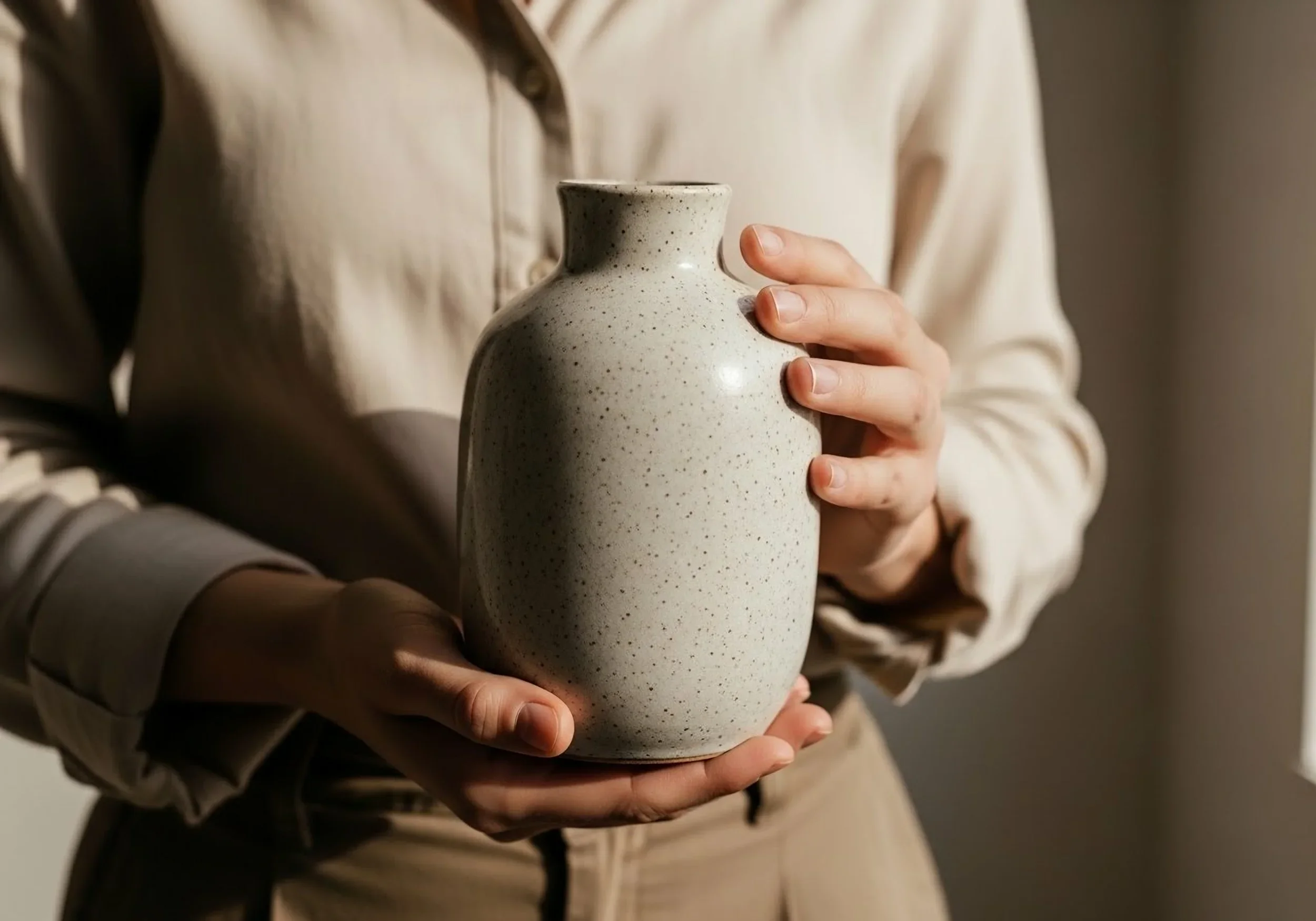
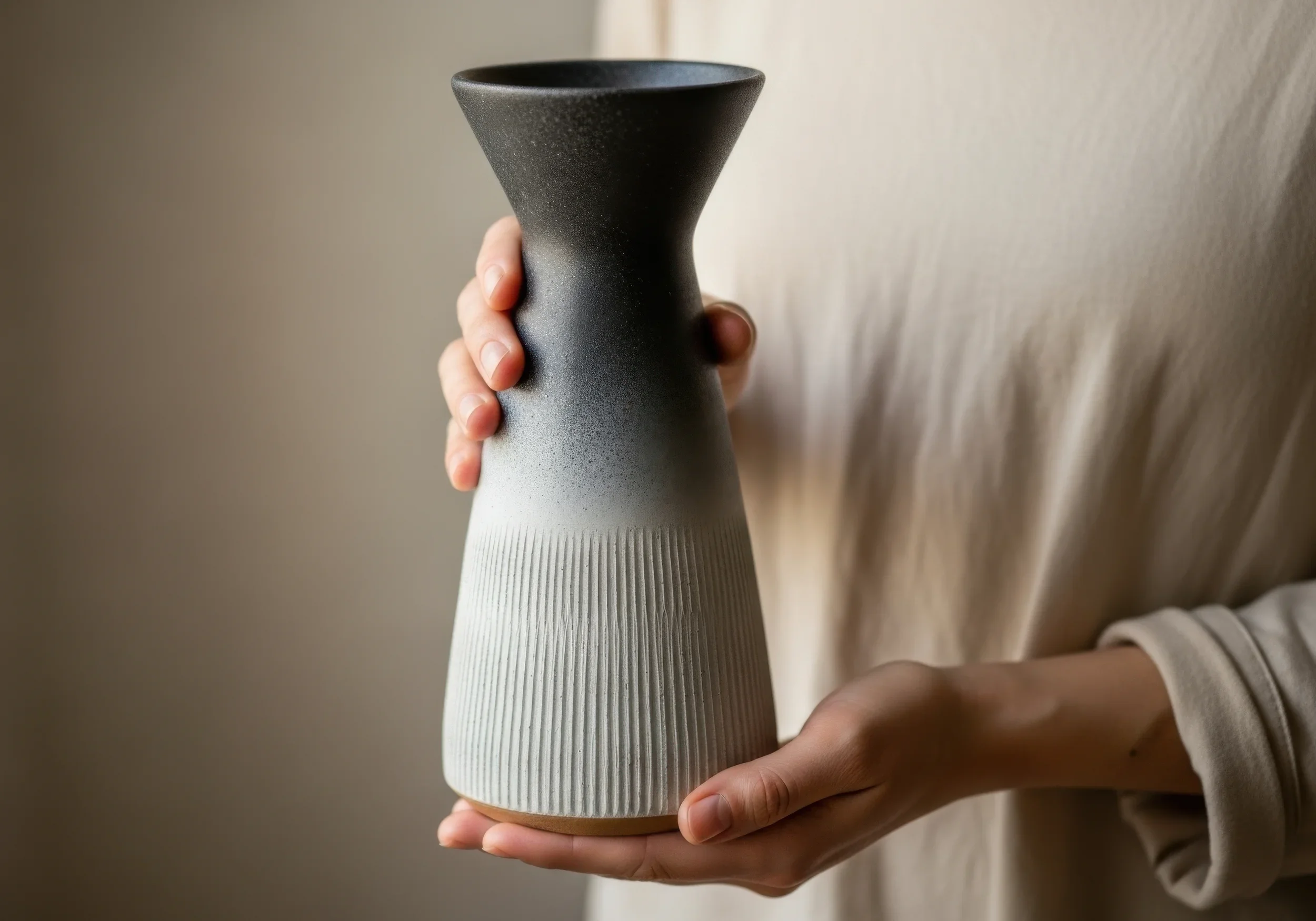
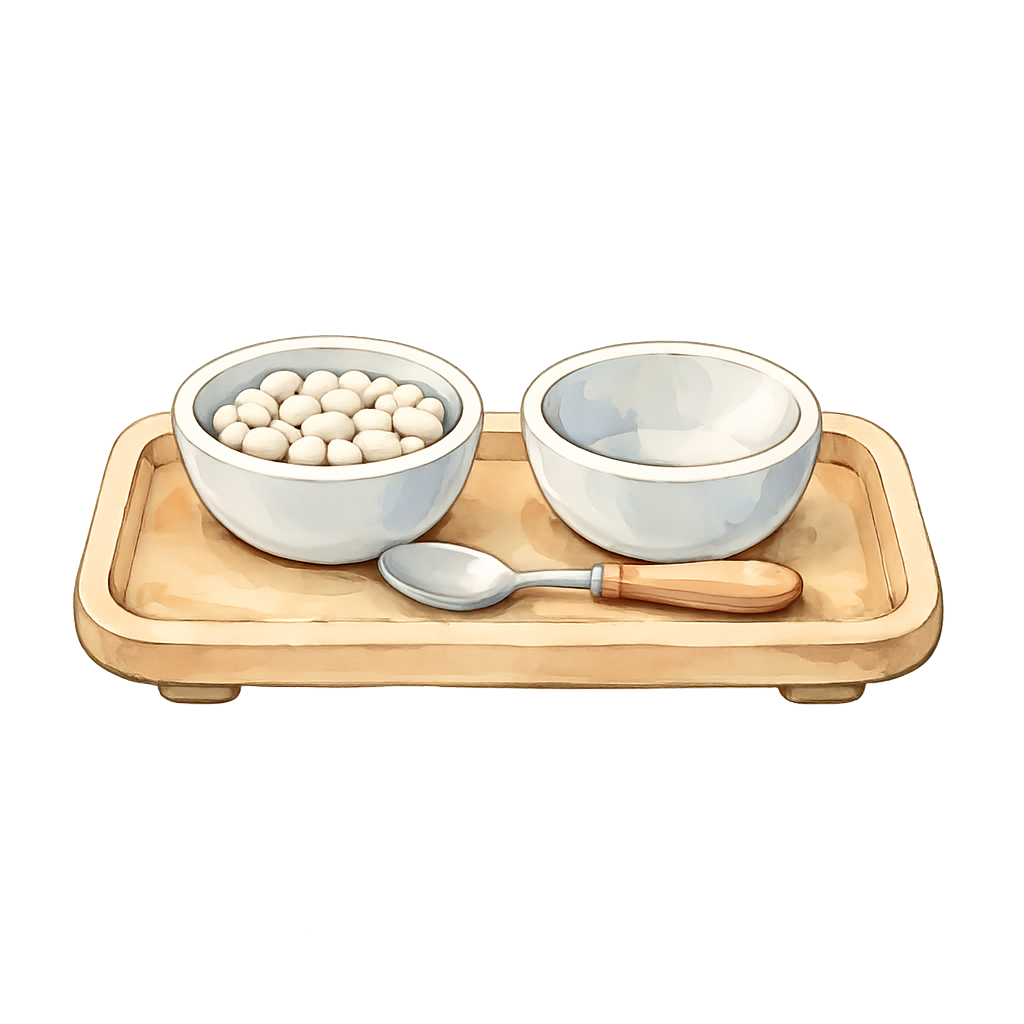
In a Montessori classroom, Practical Life activities use real, child-sized materials: glass pitchers, ceramic bowls, metal spoons, not plastic toys. This may seem surprising at first, but it’s an intentional and powerful choice.
Here’s Why:
1. Children crave meaningful work.
Young children naturally want to use what they see the adults in their world use and contribute to the real world around them. When given real tools, they feel a sense of purpose and dignity.
“The child becomes a worker, fully absorbed in a real task with a real outcome.” — Dr. Maria Montessori
2. Real materials teach responsibility.
When children handle fragile or breakable items, they learn to move carefully and respectfully. If something breaks, it's a moment for gentle reflection and natural consequences.
3. Authentic materials build trust.
We show children we believe in their capabilities by offering them real, beautiful tools. This builds confidence and a deep sense of belonging.
4. Natural materials engage the senses.
Wood, glass, ceramic, and metal offer rich sensory experiences: texture, weight, temperature, and even sound—that support brain development and attention.